
تبحث لمى عن شغف ضاع بين الشرق والغرب. تفتّش عن أجوبة لمحنتها، فتسافر في ذاكرة جدّها الملوّنة بزوايا طرابلس، بحياة منشد فريد اسمه مارديروس. من قطعة موسيقيّة واحدة عزفها يوسكا، تعيد تفكيك الماضي. بين الأناضول وطرابلس وحلب وبنسلڤانيا ترسم الرواية صورًا من البهجة والقسوة، من العنف والعشق المحرّم
from One Hundred Flutters (مئة رعشة), translated by Maia Tabet
I stood surrounded by hundreds of sick roses and crowds of people, who had come to see them, just like me. Stained black and brown, their brittle leaves looked like they might go up in flames any minute. Only the musk-colored buds survived. The roses were dying before my eyes, all our eyes, one by one, in a sight both familiar and tragic. They would be pulled up to punish them for failing to achieve the whiteness coveted by the shared gaze of the crowds. I hear Yoska’s voice from behind saying: “Sick, healthy, youthful or old, what does it matter? The very idea of the rose lives on.”
I turned to him, and he looks into my tired eyes. “You were distracted during our gathering, as if you were elsewhere,” he says. “I thought I’d find you here or in the Western park. I don’t know the reason for the sadness you’re trying to hide, but I know how to listen, especially if the words are coming out of your mouth.” A feeling of shyness rippled through me and I whispered: “It’s not time yet…………I wouldn’t know where to start…..but I’m comforted by your words.” I mull over what he said, about the idea of the rose. Maybe that is why I couldn’t forget Jalal. Our love affair had ended abruptly, and he had disappeared from my life. Yet my yearning for the passion we felt, the primary rose, did not subside.
Winner of the Khayrallah Prize 2020 for Camera Obscura (fi `ulbat al-daw’)
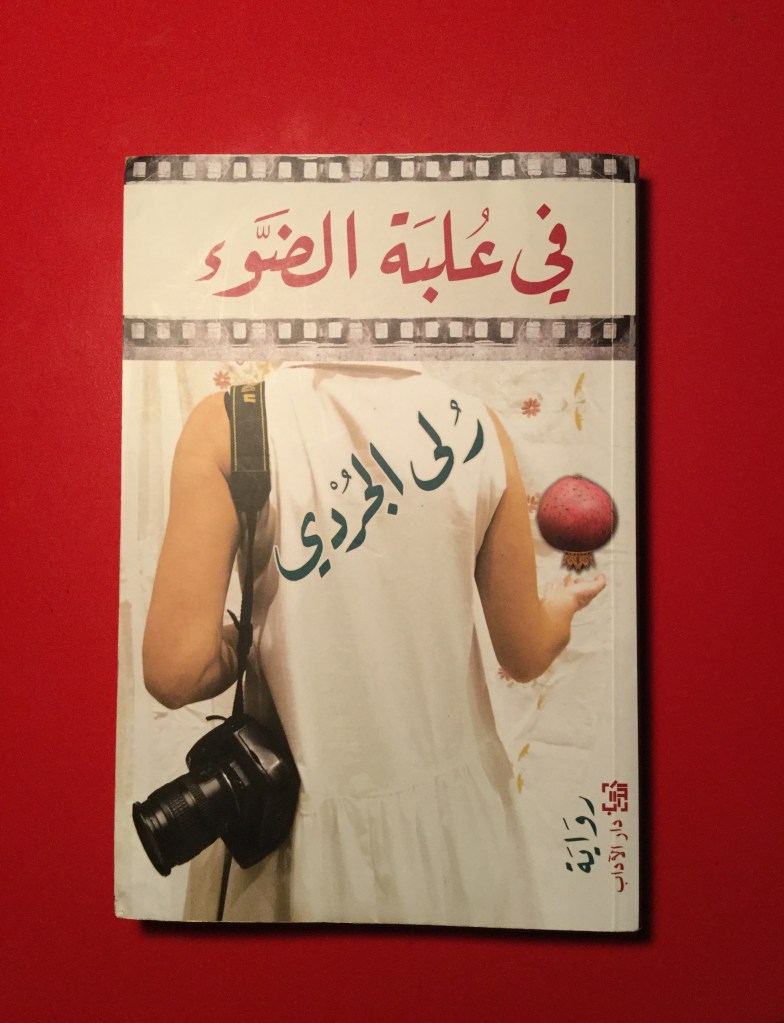
الصّور تروي قصص نور وسارة ومهيبة كما تفعل الكلمات. الكاميرا تصنع المعنى، تخفي وتبوح بين دار شمس، بيروت، ونيويورك. من خلال الحبّ، تنكشف لنور ذاتُها وعلاقتها بكلِّ الأمكنة التي عاشت فيها، الأمكنة التي عرفت الازدهار والدّمار. في خضمِّ شكوكها حول معتقدات أهلها تنجلي أمامها حقائق غريبة عن جسدها الذي يصفه أخوها بالرّجوليّ، وعن ماضي والدها الخطير، وعن دروز إسرائيل ومستر ريبلي، الرجل الإنكليزي الذي لم يدرك أحدًا ما كان يخفيه في طيّات سيرته الباهرة
Photo and word weave together the stories of Nour, Sarah, and Mahiba in Camera Obscura. The camera creates meaning, hides and reveals reality, transforming life in Nour's birthplace, Dar Shams, and in Beirut and New York. As her faith erodes and her love for Jaber grows, Nour gains insight into herself and her body, depicted by her brother as masculine. Personal and political unraveling are intertwined when she comes face to face with her father's dangerous past, and accounts about the Palestinians, the Druze of Israel, and Mr. Ripley, the remarkable Englishman who harboured many secrets.
A chapter from Camera Obscura (Fi `ulbat al-daw’), translated by Maia Tabet
https://www.banipal.co.uk/selections/113/364/rula-jurdi/
_______________________________________________
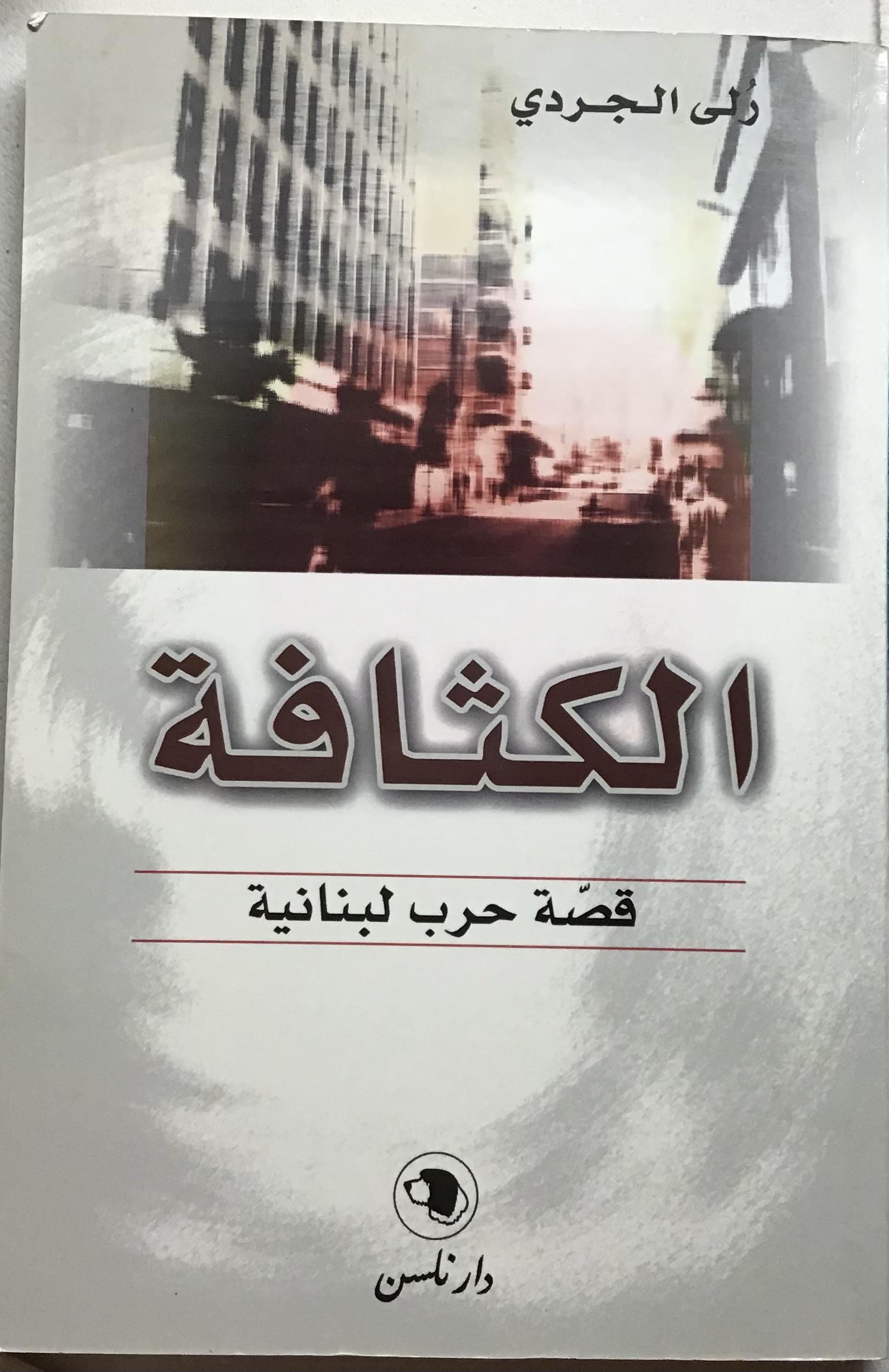
رواية تحيكُ مشاهدَ عن الحرب والحبِّ في بيروت. تسرد حكايات ريَّا وعيسى وليلى وسعد المتناقضة، وصراعاتهم النفسيَّة والسياسيَّة. إنَّها جدليَّة الفرد والعائلة، العبثيَّة والانتماء، الشَّهوة والعنف
Al-Kathafa (Thick Air), is a novel weaving poignant scenes of war and love in Beirut. It narrates the contradictory stories of Rayya, Isa, Layla and Saad, and their psychological and political struggles. It captures the interplay between self and family; emptiness and commitment; desire and violence.
 Rula Jurdi